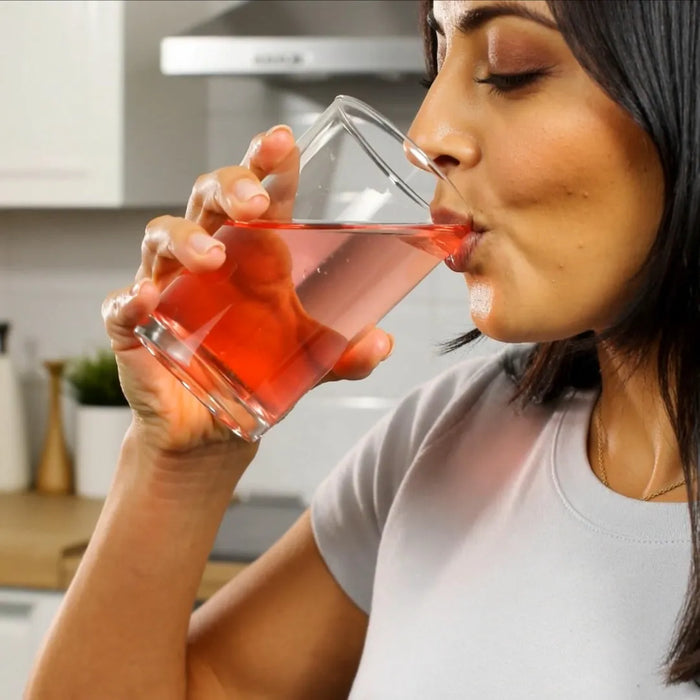
You finish hot yoga feeling clear, wrung out, and somehow both energized and drained. That post-class glow is real, but so is the sweat loss. If electrolytes for hot yoga recovery are not part of your routine, you may be leaving class more depleted than restored.
Hot yoga pushes a different kind of stress than a typical strength session or steady-state run. The room is hot, the sweat rate climbs fast, and even a class that feels controlled can lead to meaningful fluid and mineral loss. That matters because recovery is not just about water. It is also about replacing the sodium and other electrolytes that help your body actually hold onto that water and use it well.
Why hot yoga recovery feels different
A lot of people assume hot yoga is gentler because it is low impact. Sometimes it is. But heat changes the equation. You can spend 60 to 90 minutes moving, balancing, bracing, and breathing in an environment that pulls more sweat out of you than you realize.
That can show up later as fatigue, headaches, brain fog, muscle tightness, or the flat feeling that hits in the afternoon after a morning class. You may also notice cravings, especially for salty or sugary foods. That does not always mean you need a huge meal right away. Sometimes it means your hydration is off.
This is where people tend to make recovery harder than it needs to be. They either drink plain water only, which can fall short after heavy sweating, or they reach for sports drinks loaded with sugar they did not really want in the first place. There is a middle ground, and for most people, it works better.
What electrolytes for hot yoga recovery actually do
Electrolytes are minerals that help regulate fluid balance, muscle contraction, and nerve signaling. In practical terms, they help your body rehydrate more effectively and support that steady, normal feeling after class.
Sodium is usually the main one to replace after a sweaty session. It helps your body retain fluid and supports normal muscle and nerve function. Potassium also plays a role, along with magnesium and calcium, though sweat losses vary from person to person.
The key point is simple: if you sweat a lot, water alone is not always enough. You do not need a complicated protocol, but you do need to replace more than fluid. That is why electrolytes for hot yoga recovery can make such a noticeable difference in how you feel for the rest of the day.
Signs your post-class hydration needs work
You do not need a lab test to know your routine could be better. Usually, your body tells you.
If you feel lightheaded after class, get headaches later, notice unusually dark urine, crave salty snacks, or feel wiped out for hours, your recovery may be missing the basics. Muscle cramps can be part of the picture too, though they are not always caused by electrolytes alone.
There is also a more subtle version. Maybe you bounce back eventually, but not cleanly. You feel a little foggy at work, a little more snacky than usual, or oddly tired even after sleeping well. That kind of low-level drag is easy to brush off, but it often points to under-recovery.
When to take electrolytes around hot yoga
Timing is not complicated, but it does help. For most people, the best window starts before class and continues after.
If you know you sweat heavily, drinking some electrolytes in the hour before class can give you a better starting point. That does not mean chugging a giant bottle right before the first pose. Too much fluid at once can feel uncomfortable. A steady approach usually works better.
After class, focus on replacing what you lost without waiting until you feel terrible. If your shirt is soaked and you stayed in a heated room for an hour, that is a real hydration event. Treat it like one.
Some people do well splitting their intake, with part before and part after. Others prefer most of it after class. It depends on your sweat rate, how long the session was, and whether you tend to feel drained during the rest of the day.
What to look for in an electrolyte product
Not every hydration product makes sense for hot yoga. Some are built for long endurance sessions and come with more sugar than you need. Others barely contain enough sodium to matter.
A good fit for most hot yoga routines is simple: meaningful electrolytes, clean ingredients, and no extra stimulation. If you are heading to class to feel better, not more wired, a hydration formula without caffeine is usually the better call.
Zero-sugar options can also make a lot of sense, especially if you are trying to keep your routine clean and predictable. You are already asking your body to manage heat stress. Adding a big sugar hit is not always helpful, especially if it leaves you feeling spiky and then flat.
This is where a product like Hydromend fits naturally. It is built around calm hydration - electrolytes, minerals, and B-vitamins, without sugar or stimulants. For people who want hydration support that fits real life and not just hard-training extremes, that kind of formula can be a strong starting point.
Electrolytes for hot yoga recovery and common mistakes
The most common mistake is waiting too long. If you only think about hydration once the headache starts, you are already playing catch-up.
The second is assuming more water always solves the problem. Water matters, of course. But after heavy sweating, drinking large amounts of plain water without replacing sodium can leave you feeling off. More is not always better if the balance is wrong.
The third mistake is treating every class the same. A lighter session in a mildly heated room is different from a 90-minute class where you sweat through everything. Your recovery needs should match the session, not a fixed rule.
It is also worth being honest about your own sweat rate. Some people are naturally heavy sweaters and lose a lot of sodium. Others are not. If your face, mat, and towel say one thing, listen.
Food helps too, but it may not be enough on its own
You can absolutely support recovery with food. A meal with protein, carbs, and some sodium can help you bounce back. If you eat soon after class, that is part of the recovery picture.
But food is not always the fastest fix, especially if class is early and you are rushing to work, or if you are not hungry right away. That is why a simple electrolyte routine is useful. It gives you a clean, practical bridge between class and the rest of your day.
Bananas and coconut water get mentioned a lot in hydration conversations. They can be helpful, but they are not magic. Coconut water is often lower in sodium than people expect, and bananas do not replace sweat losses on their own. Real recovery usually works best when you think in terms of the whole picture, not one trendy ingredient.
Building a routine you will actually keep
The best hydration plan is the one that fits your schedule without becoming a project. If you practice hot yoga once a week, your approach may stay simple. If you go three or four times a week, consistency matters more.
Keep it easy. Have your electrolytes ready before class. Use them on the days you know you sweat hard. Pay attention to how your energy, mood, cravings, and recovery feel later in the day. Those are useful signals.
If you also strength train, run, or have long workdays, this matters even more. Recovery is cumulative. A sweaty class in the morning can affect how you feel in the afternoon gym session or how well you stay focused at your desk.
That is why hydration is not just about getting through class. It is about protecting the rest of your day. Clean ingredients, zero sugar, and no stimulants make that easier when you want support without extra noise.
The real goal of hot yoga recovery
Recovery is not supposed to feel dramatic. Ideally, it feels steady. Your body cools down, your head clears, your muscles do not feel oddly tight, and you move on with your day without that drained, craving-heavy crash.
Electrolytes for hot yoga recovery are not a shortcut or a hypey add-on. They are a practical way to replace what sweat takes out, especially when heat is part of the workout. If your current routine leaves you feeling more depleted than restored, the fix may be simpler than you think: drink with purpose, replace what you lose, and make hydration part of the habit instead of the repair job.