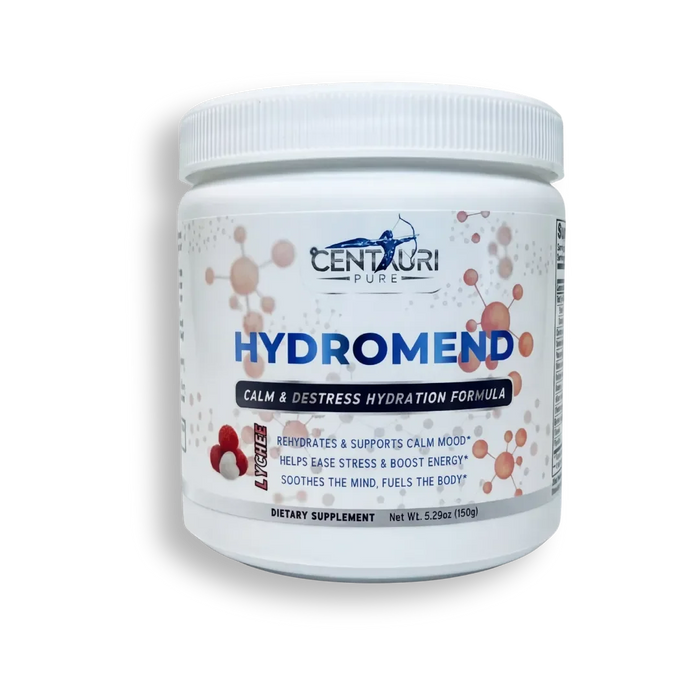
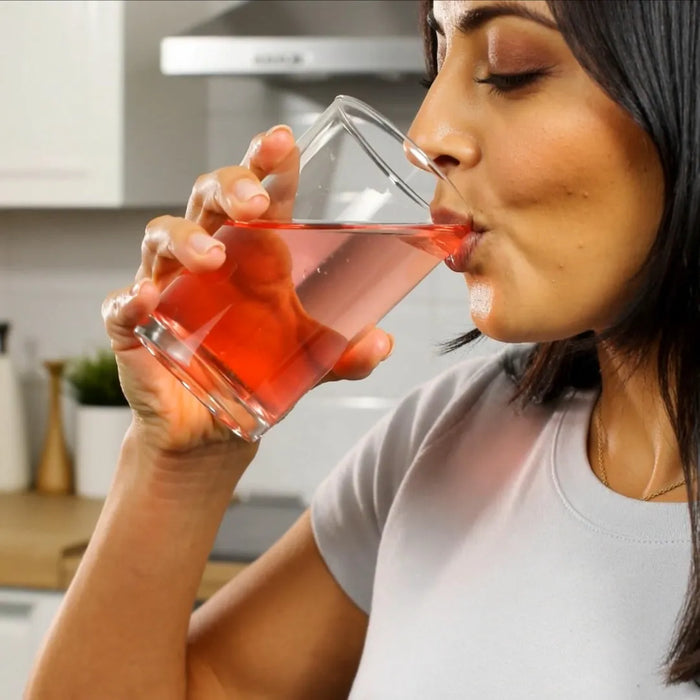
Direct answer: Hydromend and Pedialyte serve different hydration goals. Pedialyte was formulated for rapid rehydration during illness or acute fluid loss, with a high sodium-to-sugar ratio designed to restore lost electrolytes quickly. Centauri Pure Hydromend Hydration Powder is built for adult daily calm hydration, supporting steady fluid balance, focus, and energy throughout a normal day without the clinical taste or sugar load. If you are a healthy adult looking to stay consistently hydrated, Hydromend fits that routine better. If you are recovering from a stomach bug or severe dehydration, Pedialyte is a clinically oriented option worth considering.
Key takeaways
- Pedialyte targets acute illness rehydration; Hydromend targets daily adult hydration maintenance.
- Hydromend uses a cleaner ingredient profile with lower sugar, designed for everyday use.
- Pedialyte's sodium levels are high by design for rapid clinical rehydration, which can taste medicinal for daily sipping.
- Adults using electrolytes for focus, energy, and routine hydration typically find a daily-use formula like Hydromend more practical.
- Neither product replaces medical care for severe dehydration; consult a clinician when symptoms are serious.
New here? Start with the Calm Hydration Guide, then come back to this deep-dive.
What Were These Products Actually Designed For?
Understanding the origin of each product makes the comparison straightforward. Pedialyte was developed by Abbott Laboratories in the 1960s as a clinical oral rehydration solution (ORS) for children experiencing dehydration from illness. Its sodium and glucose ratio follows World Health Organization ORS guidelines, which prioritize rapid electrolyte replacement when the body has lost significant fluids through vomiting, diarrhea, or fever.
Centauri Pure Hydromend Hydration Powder was built around a different question: what does a healthy adult actually need to stay consistently hydrated through a normal day? The answer is a balanced electrolyte blend that supports fluid retention, mental clarity, and energy without the clinical sodium load or medicinal taste that comes with acute-care formulas.
These are not competing products in the same category. They solve different problems, and knowing which problem you have is the most useful starting point.
Comparing the Ingredient Profiles
A side-by-side look at what goes into each product reveals why they feel and function differently.
- Sodium: Pedialyte Classic delivers roughly 370 mg of sodium per 12 oz serving. This is intentional. High sodium drives the sodium-glucose cotransport mechanism that pulls water into intestinal cells quickly during illness. For a healthy adult sipping throughout the day, that sodium level can feel heavy and overly salty.
- Sugar: Pedialyte Classic contains about 6 g of sugar per serving, again by design. Glucose is required to activate the cotransport mechanism. Hydromend uses a low-sugar formulation because daily hydration does not depend on that acute absorption pathway.
- Electrolyte balance: Pedialyte focuses primarily on sodium and potassium for illness recovery. Hydromend includes a broader electrolyte profile suited to daily maintenance, including magnesium, which supports muscle function and is commonly under-consumed in adult diets.
- Taste and format: Pedialyte's taste is often described as medicinal, which is fine for short-term illness use but less appealing as a daily habit. Hydromend is formulated as a powder you mix to taste, with flavors designed for everyday enjoyment.
Neither profile is wrong. They are optimized for different jobs.
Daily Calm Hydration vs Illness Rehydration: Two Different Use Cases
The phrase "calm hydration" refers to maintaining steady fluid and electrolyte balance throughout a normal day, not correcting a deficit caused by illness or extreme exertion. Think of it as background hydration: the kind that keeps your energy stable, your focus clear, and your body functioning without the peaks and valleys that come from relying on plain water alone.
Electrolytes (minerals like sodium, potassium, and magnesium that carry electrical charges in the body) help your cells hold onto water more effectively than water alone. A small, consistent electrolyte intake across the day supports that process without overwhelming your system.
Illness rehydration is a different scenario. When you lose significant fluids rapidly, your body needs a concentrated hit of sodium and glucose to restore balance quickly. That is exactly what Pedialyte delivers. The clinical formula is not excessive; it is appropriate for the acute situation it was designed for.
The mistake adults sometimes make is using an acute-care product as a daily habit, or expecting a daily-use product to perform like an acute-care formula. Matching the product to the use case is what matters.
For a full breakdown of daily electrolyte habits, visit our Calm Hydration Guide.
Who Should Choose Hydromend?
Hydromend Hydration Powder is a strong fit if any of these describe you:
- You want a daily electrolyte habit that supports energy and focus without excess sugar or a clinical taste.
- You work at a desk, travel frequently, or spend time in warm environments and notice afternoon energy dips that better hydration might address.
- You exercise regularly at a moderate level and want to support recovery without a heavy sodium load.
- You are trying to reduce sugary drinks and want a flavored water option that actually does something.
- You prefer a powder format you can adjust to your preferred concentration (12-20 oz per scoop).
Hydromend is not positioned as a medical product. It is a daily wellness tool for adults who take hydration seriously as part of a broader health routine.
When Pedialyte Makes More Sense
Pedialyte earns its reputation in specific situations:
- Active illness with vomiting or diarrhea causing rapid fluid loss.
- Recovery from significant heat exhaustion with acute electrolyte depletion.
- Post-surgical or medical situations where a clinician recommends an ORS.
- Short-term use after an event that caused severe dehydration.
In these cases, the high sodium and glucose formula is doing exactly what it should. Using Pedialyte for a day or two during illness is appropriate and well-supported by clinical evidence. The issue is not Pedialyte itself; it is using it as a substitute for a purpose-built daily hydration product when your situation does not call for acute rehydration.
If you are unsure whether your dehydration is mild or moderate to severe, consult a clinician. Severe dehydration can require IV fluids, not just an oral solution.
Making the Practical Choice
Here is a simple decision framework:
- Healthy adult, normal day, want steady hydration: Hydromend Hydration Powder is the practical daily choice.
- Recovering from illness with significant fluid loss: Pedialyte or another ORS is appropriate for the short term.
- Morning after a night of drinking: Either can help; Hydromend works well as an all-day reset if dehydration is mild.
- Intense exercise or heat exposure: Hydromend supports daily active adults; for extreme endurance events, consult sport nutrition guidance.
You do not have to choose one forever. Some adults keep both on hand: Hydromend as a daily routine and Pedialyte in the cabinet for illness. That is a reasonable approach.
If you are ready to build a consistent hydration habit, try Hydromend Hydration Powder and pair it with the routines in our Calm Hydration Guide.
Educational content only. Not medical advice. Consult a clinician for illness-related dehydration or medical concerns.

Frequently asked questions
Is Pedialyte safe for adults to drink every day?
Pedialyte is generally safe for adults in short-term use, but it was not designed for daily maintenance hydration. Its sodium content (370-490 mg per 12 oz serving depending on format) and added sugar are calibrated for acute rehydration, not routine sipping. Healthy adults who want a daily electrolyte habit typically do better with a formula designed for that purpose, like Hydromend Hydration Powder, which is portioned and flavored for everyday use.
How does Hydromend compare to Pedialyte in sodium content?
Pedialyte Classic contains roughly 370 mg of sodium per 12 oz serving, a level chosen to match clinical oral rehydration therapy guidelines for illness recovery. Hydromend is formulated with a balanced electrolyte blend suited for daily hydration rather than acute replacement, so sodium levels are calibrated for comfort and consistency over the course of a normal day rather than rapid clinical correction.
Which is better for a hangover, Hydromend or Pedialyte?
Both can help replenish fluids and electrolytes after alcohol consumption. Pedialyte's higher sodium concentration may accelerate fluid absorption if dehydration is significant. Hydromend works well as a morning-after daily hydration reset, especially if you prefer a lighter taste and want to continue sipping throughout the day. For a dedicated look at electrolytes after drinking, see our separate guide on that topic.
Does Pedialyte have more sugar than Hydromend?
Standard Pedialyte Classic contains about 6 g of sugar per 12 oz serving. Pedialyte Sport and some advanced formats vary. Hydromend Hydration Powder is formulated with a low-sugar profile intended for adults who want to avoid unnecessary sugar intake during a daily hydration routine. Always check current nutrition labels, as formulas can change.
Can I use Hydromend when I am sick instead of Pedialyte?
Hydromend can help maintain hydration during mild illness, but Pedialyte's formulation is specifically designed to match oral rehydration therapy standards for acute fluid and electrolyte loss from vomiting or diarrhea. For mild symptoms, Hydromend is a reasonable option. For moderate to severe illness-related dehydration, Pedialyte or a clinician-recommended ORS is the more appropriate choice.
How do I use Hydromend for daily calm hydration?
Mix one scoop of Hydromend Hydration Powder into 12-20 oz of cold water and drink it at a pace that feels comfortable, morning through afternoon. It is designed to support steady fluid balance rather than rapid correction, so consistent daily use is where it performs best. Visit our <a href='/pages/calm-hydration-guide'>Calm Hydration Guide</a> for timing and routine tips.
Sources & further reading
- Oral Rehydration Salts: Production of the New ORS - World Health Organization
- Oral Rehydration Therapy - StatPearls, NCBI Bookshelf
- Electrolytes - Examine.com
- Dietary Reference Intakes for Sodium and Potassium - National Academies Press
Want the daily tool this guide is built around? See Hydromend Calm Hydration from Centauri Pure, or keep learning in the Calm Hydration Guide.
Educational content only - not medical advice. Talk with a qualified clinician for personal health decisions.